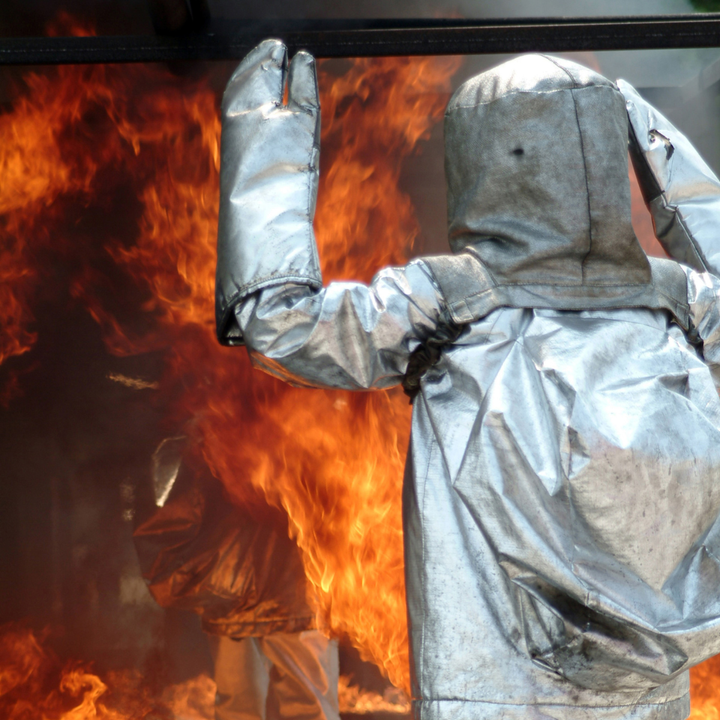
Guide to Flame Retardants: Enhancing Safety Across Industries
Flame retardants are substances added to materials to reduce the risk of fire by slowing ignition or limiting flame spread. They are widely used in furniture, textiles, construction materials, electronics, vehicles, and many other everyday products. Their role has become increasingly important as industries strive to balance safety, sustainability, and performance. For businesses and consumers alike, understanding flame retardants is not just about fire safety—it’s also about choosing materials responsibly, knowing their limitations, and keeping up with evolving standards and innovations. This article explores the benefits, limitations, categories, recent developments, and practical guidance for selecting and maintaining flame-retardant solutions.
Benefits of Flame Retardants
Flame retardants offer several critical advantages across industries:
-
Fire Safety: They reduce the likelihood of fire spreading, buying valuable time for evacuation or suppression.
-
Property Protection: By slowing combustion, they help minimize property damage.
-
Regulatory Compliance: Many industries are required to meet specific fire safety standards, making flame retardants essential.
-
Versatility: They can be applied to plastics, textiles, foams, wood, and coatings.
-
Industrial Relevance: From airplanes to electronics, flame retardants contribute to making modern infrastructure safer.
Limitations of Flame Retardants
Despite their usefulness, flame retardants have some drawbacks that users and manufacturers must consider:
-
Environmental Concerns: Certain chemical formulations persist in the environment and can accumulate over time.
-
Health Implications: Older generations of flame retardants have been linked to potential health effects, leading to restrictions in many regions.
-
Performance Trade-offs: In some cases, flame retardants may affect the strength, flexibility, or appearance of materials.
-
Cost Considerations: High-performance or eco-friendly options may be more expensive.
-
Regulatory Changes: Ongoing reviews mean that certain flame retardants may face bans or restrictions.
Types of Flame Retardants
Flame retardants can be categorized based on their chemical composition and mechanism of action:
-
Halogenated Flame Retardants
-
Contain chlorine or bromine.
-
Highly effective but increasingly restricted due to environmental concerns.
-
Historically used in electronics and plastics.
-
-
Phosphorus-Based Flame Retardants
-
Act by promoting char formation that insulates materials.
-
Widely used in textiles, foams, and coatings.
-
Considered more environmentally acceptable compared to halogenated types.
-
-
Nitrogen-Based Flame Retardants
-
Work through the release of inert gases that dilute flammable components.
-
Common in combination with phosphorus systems.
-
-
Mineral Flame Retardants
-
Include aluminum hydroxide (ATH) and magnesium hydroxide.
-
Act by releasing water vapor and cooling the material.
-
Non-toxic and widely used in cables, construction, and consumer goods.
-
-
Intumescent Systems
-
Expand into a protective char layer when exposed to heat.
-
Increasingly popular in coatings for construction and transportation.
-
Latest Trends and Innovations
Flame retardant technology is evolving in response to environmental and performance demands. Some notable trends include:
-
Eco-Friendly Alternatives: Development of halogen-free formulations that reduce environmental persistence.
-
Bio-Based Solutions: Research into flame retardants derived from natural compounds such as starch, lignin, or proteins.
-
Nanotechnology: Incorporating nano-additives like nanoclays or carbon nanotubes to improve fire resistance with minimal material impact.
-
Regulation-Driven Innovation: Regions such as the EU and US are promoting safer alternatives through stricter chemical safety laws.
-
Smart Flame Retardants: Emerging coatings that activate only under specific conditions, reducing unnecessary material exposure.
Key Features to Consider
When evaluating flame retardants, important factors include:
-
Effectiveness: How well the solution reduces ignition and flame spread.
-
Compatibility: Whether it works with the target material (plastic, wood, fabric, etc.).
-
Durability: Resistance to washing, weathering, or long-term degradation.
-
Environmental Impact: Toxicity, recyclability, and compliance with safety standards.
-
Cost: Balancing safety and affordability for large-scale applications.
-
Regulatory Approval: Meeting standards like UL 94, NFPA, or REACH compliance.
Comparison Table: Types of Flame Retardants
| Category | Mechanism | Common Uses | Pros | Cons |
|---|---|---|---|---|
| Halogenated | Release halogen radicals to inhibit flames | Plastics, electronics | Highly effective | Environmental concerns, restrictions |
| Phosphorus-Based | Promote char formation | Textiles, foams, coatings | Eco-friendlier, versatile | Costlier than halogenated |
| Nitrogen-Based | Release inert gases | Combined systems, foams | Works well with phosphorus | Less effective alone |
| Mineral-Based | Release water vapor, cool material | Cables, construction, consumer goods | Non-toxic, inexpensive | Requires high loading levels |
| Intumescent | Expands to form char barrier | Coatings, wood, construction | Durable protection | May alter material appearance |
Top Companies and Solutions
Several organizations provide flame-retardant materials and technologies. While offerings vary, some well-known names include:
-
Albemarle Corporation – albemarle.com
-
Clariant – clariant.com
-
Lanxess – lanxess.com
-
ICL Group – icl-group.com
-
Nabaltec AG – nabaltec.de
-
Huntsman Corporation – huntsman.com
Each company provides different specialties, from halogen-free additives to intumescent coatings.
How to Choose the Right Option
Selecting the right flame-retardant solution depends on:
-
Application Needs – Furniture, electronics, or construction may require different solutions.
-
Regulatory Requirements – Local laws may restrict certain formulations.
-
Performance Balance – Evaluate durability versus potential changes in material properties.
-
Environmental Goals – Opt for halogen-free or bio-based options if sustainability is a priority.
-
Cost-Effectiveness – Consider both upfront costs and long-term compliance benefits.
Checklist: Choosing Flame Retardants
-
Does it meet industry regulations?
-
Is it compatible with the material?
-
What is the environmental profile?
-
How durable is the treatment?
-
Does it affect appearance or performance?
-
Is the supplier reputable and transparent?
Tips for Best Use and Maintenance
-
Follow Manufacturer Guidelines: Always apply or integrate flame retardants as instructed.
-
Regular Inspections: For treated furniture or coatings, check for wear and reapply if needed.
-
Storage Conditions: Keep flame-retardant chemicals in proper storage to maintain effectiveness.
-
Avoid Mixing Systems: Using incompatible flame retardants can reduce efficiency.
-
Stay Updated: Regulations and safer alternatives evolve; keep track of compliance requirements.
FAQs
Q1: Are flame retardants completely fireproof?
No. Flame retardants slow down fire spread but do not make materials entirely fireproof. They provide extra time for safety measures.
Q2: Are all flame retardants safe?
Not all. Older halogenated types have raised environmental and health concerns, but modern alternatives are designed to be safer. Always check compliance certifications.
Q3: Do flame retardants wash out of fabrics?
Some treatments can lose effectiveness after repeated washing. Durable or permanent treatments are available for certain fabrics.
Q4: Are flame retardants required by law?
Yes, in many industries such as aviation, automotive, and construction, compliance with fire safety standards is mandatory.
Q5: Can I apply flame retardants myself?
In some cases, yes—for example, spray-on treatments for textiles. However, industrial applications often require professional processing.
Conclusion
Flame retardants remain a cornerstone of fire safety across industries. While they provide vital protection, choosing the right solution requires balancing performance, safety, environmental considerations, and cost. With innovations driving eco-friendly and high-performance options, the field continues to adapt to modern needs.
For consumers and professionals, understanding the categories, trends, and practical considerations ensures safer use and informed decisions. Ultimately, flame retardants are not just about compliance but about enhancing safety in a world where fire risks are ever-present.