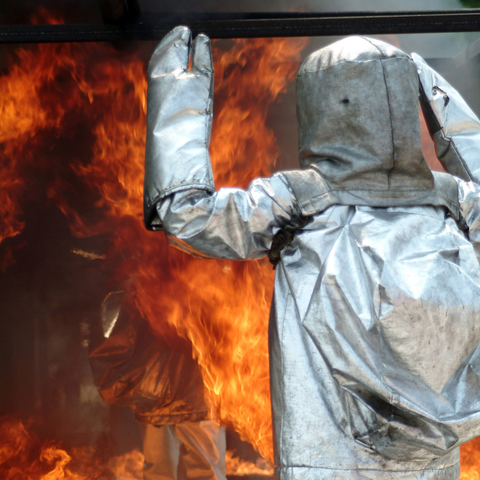
Nuclear Facility Decommissioning Process: Stages, Regulations & Project Planning
Nuclear facility decommissioning is the structured process of safely retiring nuclear power plants, research reactors, fuel cycle facilities, and related infrastructure once they reach the end of their operational life. As many nuclear facilities worldwide were built decades ago, decommissioning has become an increasingly relevant topic for governments, utilities, operators, and stakeholders involved in long-term energy planning.
What Is Nuclear Facility Decommissioning?
Nuclear decommissioning refers to all technical, administrative, and regulatory actions required to safely remove a nuclear facility from service and reduce residual radioactivity to a level that allows the site to be reused, repurposed, or released from regulatory control.
Decommissioning does not mean abandonment. It is a controlled lifecycle phase governed by national and international regulations, often lasting several years or decades depending on the facility type and chosen strategy.
Key Objectives of Decommissioning
The primary objectives include:
-
Protecting workers, the public, and the environment
-
Managing radioactive materials responsibly
-
Complying with regulatory and legal requirements
-
Restoring the site for future use where feasible
-
Ensuring transparency and traceability throughout the process
These objectives shape how projects are planned, executed, and monitored.
Main Stages of the Nuclear Decommissioning Process
1. Pre-Decommissioning Planning
This stage often begins years before shutdown and includes:
-
Facility characterization and radiological surveys
-
Inventory of radioactive and hazardous materials
-
Decommissioning strategy selection
-
Cost estimation and funding assurance planning
-
Stakeholder and regulatory engagement
Early planning reduces uncertainty and prevents delays during execution.
2. Permanent Shutdown and Defueling
Once operations cease:
-
Nuclear fuel is removed from the reactor
-
Fuel is transferred to on-site storage or approved off-site facilities
-
Systems are stabilized to maintain safety
Defueling significantly reduces risk and allows physical dismantling to begin.
3. Decontamination
Decontamination reduces radiation levels on surfaces, systems, and structures using mechanical, chemical, or thermal methods. Benefits include:
-
Lower worker exposure during dismantling
-
Reduced waste classification levels
-
Simplified handling of materials
Not all areas are fully decontaminated; decisions are based on safety and feasibility.
4. Dismantling and Demolition
This involves:
-
Removal of reactor components and contaminated systems
-
Segmentation of large radioactive structures
-
Controlled demolition of buildings
This phase requires specialized tools, trained personnel, and continuous monitoring.
5. Waste Management and Disposal
Waste is categorized based on radioactivity and material type:
-
Very low-level waste
-
Low- and intermediate-level waste
-
High-level waste or spent fuel
Each category has specific packaging, transport, storage, and disposal requirements.
6. Site Remediation and Final Release
The final stage focuses on:
-
Soil and groundwater remediation if needed
-
Final radiological surveys
-
Regulatory verification
-
Site release for restricted or unrestricted use
Completion is only recognized once regulators confirm compliance.
Decommissioning Strategies: Types and Categories
Different facilities adopt different strategies depending on risk, funding, and policy.
Immediate Dismantling
-
Decommissioning begins soon after shutdown
-
Faster site reuse
-
Higher near-term resource demand
Deferred Dismantling
-
Facility is placed in safe storage for decades
-
Radiation naturally decays, reducing exposure
-
Extended project timelines
Entombment
-
Radioactive structures are encased on-site
-
Limited use and rare in modern regulatory environments
-
Long-term institutional controls required
Comparison Table: Decommissioning Strategies
| Strategy | Timeline | Worker Exposure | Site Reuse Speed | Long-Term Oversight |
|---|---|---|---|---|
| Immediate | Short | Higher initially | Fast | Lower |
| Deferred | Long | Lower later | Slow | Moderate |
| Entombment | Very long | Low | Very limited | High |
Benefits and Limitations of Nuclear Decommissioning
Key Benefits
-
Reduces long-term radiological risk
-
Enables land reuse or redevelopment
-
Improves environmental safety
-
Strengthens public confidence through closure
Key Limitations
-
Complex regulatory approvals
-
Long project durations
-
High uncertainty in waste handling
-
Dependency on national disposal infrastructure
Understanding these trade-offs is critical when selecting a strategy.
Regulatory Framework and Compliance Considerations
Nuclear decommissioning is governed by:
-
National nuclear regulatory authorities
-
Environmental protection laws
-
Radiation protection standards
-
Worker safety regulations
Regulatory approval is required at every major phase, including:
-
Decommissioning plans
-
Waste transport and disposal
-
Site release criteria
Compliance failures can halt projects, making regulatory alignment a core planning priority.
Project Planning and Management Considerations
Key Planning Elements
-
Integrated project schedules
-
Risk and contingency planning
-
Contractor qualification and oversight
-
Data management and documentation
-
Long-term funding assurance
Decommissioning projects resemble large infrastructure programs, requiring disciplined governance.
Checklist: Effective Decommissioning Planning
-
Clear scope definition
-
Verified radiological data
-
Approved waste pathways
-
Skilled workforce availability
-
Emergency response readiness
-
Regulatory milestone alignment
Latest Trends and Innovations in Decommissioning
Recent developments include:
-
Remote and robotic dismantling systems
-
Advanced radiation mapping technologies
-
Digital twins for planning and simulation
-
Modular waste packaging solutions
-
Improved worker dose monitoring
These innovations improve safety, predictability, and operational efficiency without changing regulatory obligations.
Key Features to Consider When Evaluating Decommissioning Solutions
Decision-makers typically evaluate:
-
Safety performance and track record
-
Regulatory compliance capability
-
Waste management integration
-
Technical specialization by facility type
-
Project transparency and reporting
The focus is on risk reduction and long-term accountability rather than speed alone.
Major Players and Solution Providers (Overview)
Decommissioning services are typically delivered by:
-
Nuclear engineering firms
-
Specialized dismantling contractors
-
Waste management organizations
-
Government-owned decommissioning authorities
Most projects involve consortia rather than single providers, combining engineering, waste, and compliance expertise.
How to Choose the Right Decommissioning Approach
When selecting a strategy or partner, consider:
-
Facility design and contamination profile
-
National waste disposal availability
-
Funding structure and timelines
-
Regulatory expectations
-
Community and stakeholder considerations
The “right” option balances safety, feasibility, and long-term obligations rather than minimizing short-term effort.
Tips for Effective Decommissioning Execution
-
Start planning early, even before shutdown
-
Maintain detailed records from operations through closure
-
Engage regulators continuously, not only at milestones
-
Prioritize worker training and safety culture
-
Plan waste routes before dismantling begins
Proactive management reduces delays and regulatory risk.
Frequently Asked Questions
How long does nuclear decommissioning usually take?
Timelines vary widely, ranging from a decade to several decades depending on strategy, facility size, and regulatory approach.
Is decommissioning more complex than plant operation?
In many ways, yes. Decommissioning involves dismantling contaminated systems, waste management, and regulatory verification under tighter constraints.
Can decommissioned sites be reused?
In some cases, yes. Site reuse depends on residual contamination levels and regulatory release conditions.
Who is responsible for long-term waste?
Responsibility typically lies with facility owners and national waste management programs under regulatory oversight.
What happens if regulations change during a project?
Projects must adapt to updated requirements, which is why flexibility and contingency planning are essential.
Conclusion: A Long-Term Responsibility, Not a Single Project
Nuclear facility decommissioning is not simply the final step in a plant’s life; it is a long-term responsibility that reflects how safely and transparently nuclear technology is managed. Successful decommissioning depends on careful planning, regulatory alignment, realistic expectations, and sustained oversight.